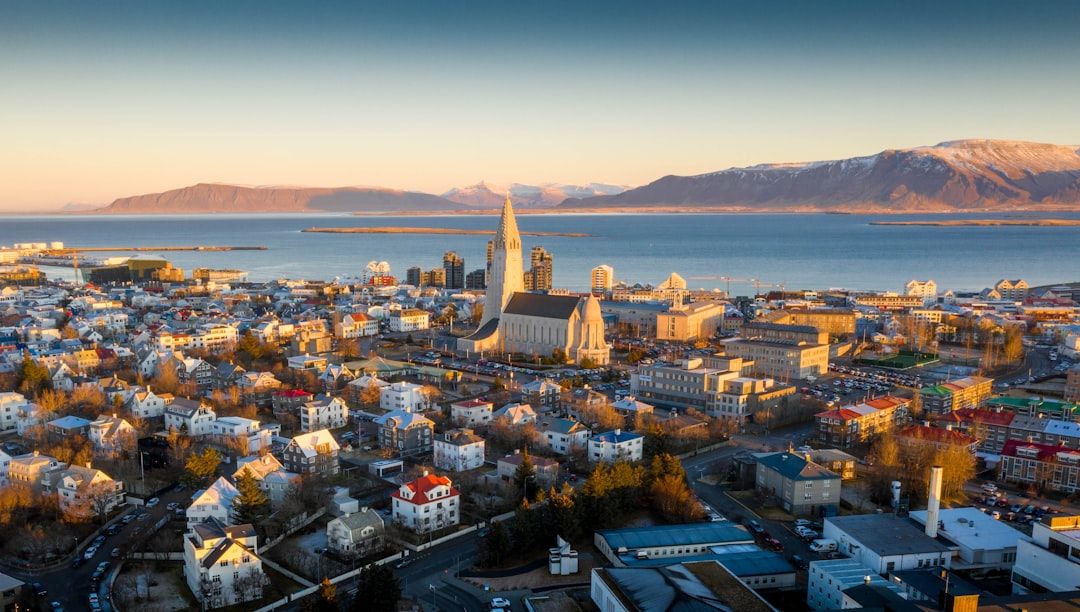
Iceland in October: Weather, Roads and Two Cancelled Days
We lost two of eight days to weather closures, which I now understand is not bad luck in Iceland but a normal feature of the forecast.
Departures Diary Editorial
August 15, 2026 · 3 min read
Key takeaways
- We went for eight days in October and drove the south coast.
- Two of those days we did not drive anywhere, because the roads were shut.
- At the rental desk they offered gravel protection and sand-and-ash protection as add-ons.
- Iceland is expensive and there is no clever way around it.
- Car hire + both insurances: ISK 145,000.
We went for eight days in October and drove the south coast. Two of those days we did not drive anywhere, because the roads were shut. I had read about Icelandic weather and had still mentally filed it as a caveat rather than a planning input.
The two lost days
Day three, an orange wind warning. The guesthouse owner told us at breakfast, cheerfully, that we would not be going anywhere. Gusts were forecast above 30 m/s. We stayed in Vík, walked on the black beach for twenty minutes until it became genuinely unpleasant, and read.
Day six, snow on the higher section east of Höfn. Road closed by mid-morning.
Neither was unusual. Both are on the two websites everyone in Iceland checks daily:
vedur.is for weather warnings, and road.is for road status. Icelanders check these the way people elsewhere check a bus timetable. We started doing it at breakfast every day and it changed the trip from reactive to planned.
The practical lesson: build a buffer day. We had eight days of driving planned into eight days available, which meant every closure cost us a destination.
The car and the two insurances
At the rental desk they offered gravel protection and sand-and-ash protection as add-ons. I nearly declined both, on the reasonable-sounding basis that I already had collision waiver.
Collision waiver covers neither. Gravel chips windscreens constantly — ours got one on day two on an unpaved stretch near Skógafoss. Sandstorms on the south coast can strip a car's paint entirely, and the bills run into thousands.
Take both. It is the one piece of rental upselling anywhere that is genuinely worth it.
The other thing nobody told me: hold the car door when you open it. Wind can tear a door off its hinges and it is explicitly not covered.
The aurora, honestly
We had four clear-ish nights and saw them properly on one. It was extraordinary and it was one night out of eight.
The season is roughly late September to mid-April and needs darkness, a clear sky and solar activity at the same time. Iceland reliably provides darkness and unreliably provides clear sky. Anyone booking two nights and expecting the photograph should understand they are buying a chance rather than an experience.
Get away from Reykjavík. Light pollution matters more than I expected, and the south coast guesthouses are both darker and cheaper.
What it cost
| Item | 8 days, two people |
|---|---|
| Car hire + both insurances | ISK 145,000 |
| Fuel | ISK 38,000 |
| Guesthouses | ISK 190,000 |
| Food (mostly supermarket) | ISK 72,000 |
| Entries and one glacier walk | ISK 46,000 |
Iceland is expensive and there is no clever way around it. We shopped at Bónus, ate a lot of petrol-station hot dogs — which are genuinely good and a national institution — and still spent more than a fortnight in southern Europe would cost.
The thing that was cheap and best: the municipal swimming pools. Every town has one, geothermally heated, a few hundred krónur, with hot tubs where locals sit and talk. Far better than the Blue Lagoon at a twentieth of the price.
Would I go in October again
Yes, with a buffer day and lower expectations about mileage. October gave us aurora season, autumn colour, almost no other tourists at Seljalandsfoss, and the closures. Summer would have given us reliable roads, midnight sun and crowds.
The trade is real either way. What I would not do again is plan eight days of driving into eight days of trip.
Frequently asked questions
Do roads close often in Iceland?
Frequently enough that checking road.is and vedur.is every morning is routine rather than cautious. Wind, snow and storms close sections of the Ring Road and most mountain routes at short notice, particularly from October onward. Building at least one buffer day into an itinerary is standard practice rather than pessimism.
What car insurance do you need in Iceland?
Gravel protection and sand and ash protection, neither of which is usually included in the base rate and neither of which standard collision waiver covers. Windscreen chips from gravel are near-universal, and south-coast sandstorms can strip a car's paint entirely with repair bills running into thousands.
What are the chances of seeing the northern lights in Iceland?
The season runs roughly late September to mid-April and requires darkness, a clear sky and solar activity simultaneously. Iceland supplies the first reliably and the second erratically, so a single night is a coin flip while three or four nights makes a sighting likely. Booking one night and expecting the photograph is buying a lottery ticket.
Is Iceland expensive?
Yes, with no real workaround. Guesthouse doubles run ISK 20,000 to 32,000 and a restaurant meal ISK 3,500 to 6,500. The practical mitigations are supermarket food from Bónus or Krónan, guesthouses over hotels, and the petrol-station hot dog, which is a genuine national institution rather than a joke.
Departures Diary Editorial
Travel stories from 40+ countries
Travel writers documenting slow journeys and dispatches from the road with first-person narratives.