Norway on a Budget: Camping Legally and Eating from Supermarkets
Norway cost me less than Italy did, entirely because of one law about where you are allowed to sleep.
Departures Diary Editorial
August 15, 2026 · 3 min read
Key takeaways
- The right of public access permits anyone to walk and camp on uncultivated land, including private property, subject to three conditions: stay at least 150 metres from an inhabited house, stay no more than two nights…
- Rema 1000, Kiwi and Coop are the cheap supermarkets.
- Norway runs public ferries as ordinary transport between fjord communities, and those boats cross the same water as the tourist vessels.
- Accommodation (3 campsites, 8 wild): NOK 600.
- Trains and ferries: NOK 2,400.
I went to Norway expecting it to be the most expensive trip I had taken and it came in below a comparable week in Italy. The entire difference is one piece of Norwegian law.
Allemannsretten
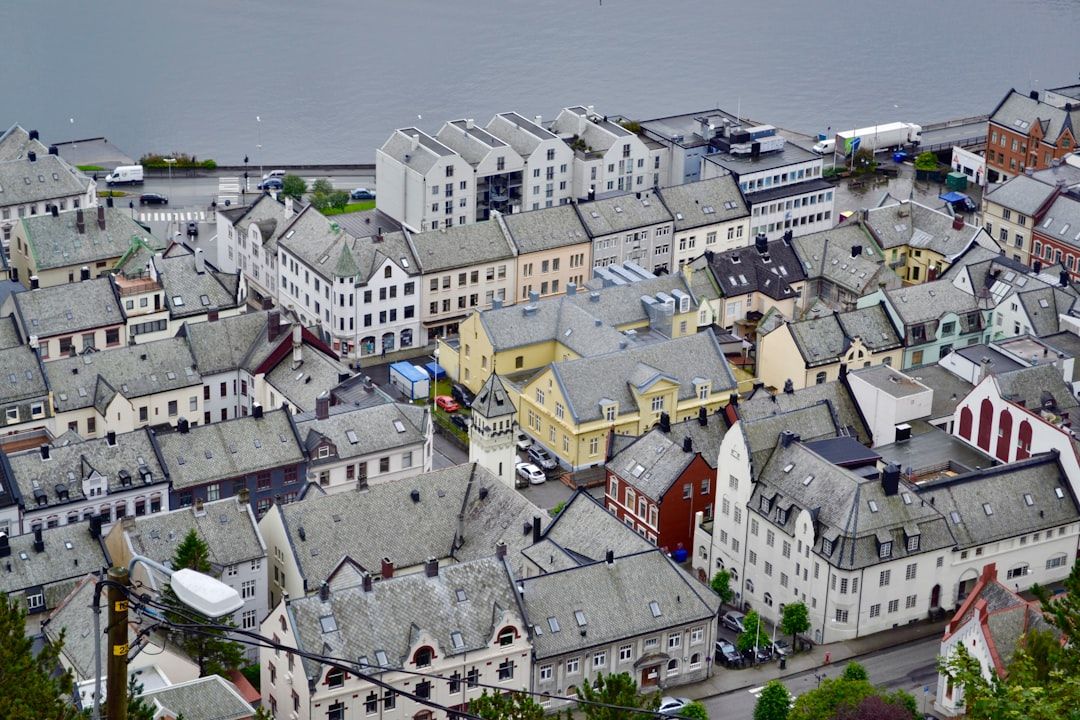
The right of public access permits anyone to walk and camp on uncultivated land, including private property, subject to three conditions: stay at least 150 metres from an inhabited house, stay no more than two nights in one place, and leave no trace.
This is not a loophole or a tolerated practice. It is a long-standing legal right, it is taught in schools, and Norwegians use it constantly.
For a traveller it means the largest line in a Norwegian budget — accommodation — can be close to zero. I camped eight of eleven nights, three of them in places that would have been impossible to book at any price: a flat shelf above a fjord, a pine wood by a lake, a beach on Lofoten.
The practical bits nobody mentions: Norwegian summer nights are light enough that an eye mask matters, mosquitoes near still water are serious, and the 150-metre rule is worth measuring rather than estimating if a house is anywhere in sight.
Food: the second decision
| Item | Restaurant | Supermarket |
|---|---|---|
| Main meal | NOK 250–400 | NOK 50–90 |
| Coffee | NOK 45–65 | NOK 5 (made) |
| Beer | NOK 100–140 | NOK 30–45 |
| Sandwich | NOK 120–180 | NOK 35 |
Rema 1000, Kiwi and Coop are the cheap supermarkets. A camping stove and a week of pasta, eggs, bread and the very good Norwegian tinned fish kept food to roughly NOK 200 a day.
Alcohol above low-strength beer is sold only through the state Vinmonopolet, at prices that make a bottle of wine a considered decision.
The ferries are just buses
I had assumed seeing the fjords meant booking a cruise. It does not.
Norway runs public ferries as ordinary transport between fjord communities, and those boats cross the same water as the tourist vessels. The Flåm to Gudvangen crossing through Nærøyfjord — the narrow UNESCO-listed arm — is a scheduled public service.
Similarly the Flåm railway, which descends 865 metres in twenty kilometres through switchbacks, is a normal train you buy a normal ticket for.
The packaged "Norway in a Nutshell" itinerary is exactly these services bundled with a markup. Assembling it yourself took twenty minutes and saved a meaningful amount.
What the trip cost
| Item | 11 days, one person |
|---|---|
| Accommodation (3 campsites, 8 wild) | NOK 600 |
| Food | NOK 2,200 |
| Trains and ferries | NOK 2,400 |
| Bus and local transport | NOK 700 |
| Total | NOK 5,900 |
Roughly £430 for eleven days in the most expensive country in Europe, excluding flights.
What I would change
Better rain gear. Bergen averages over 200 wet days a year and I brought a jacket that was water-resistant rather than waterproof. Three days of low cloud on the fjords is its own kind of view, but only if you are dry.
A warmer sleeping bag. Even in July, a night at altitude or near the coast drops close to freezing.
More time in one place. I moved almost every day to cover ground and the days I remember are the two I spent walking from a single camp.
Frequently asked questions
Is wild camping legal in Norway?
Yes, under allemannsretten, the right of public access. You may camp on uncultivated land including private property, provided you stay at least 150 metres from an inhabited house, remain no more than two nights in one spot, and leave no trace. It is a long-standing legal right used constantly by Norwegians, not a tolerated grey area.
How expensive is food in Norway?
Restaurants are very expensive — a main course runs NOK 250 to 400 — while supermarkets are merely expensive. Shopping at Rema 1000, Kiwi or Coop and cooking brings food costs to roughly NOK 150 to 250 a day, which is the difference between an affordable trip and an impossible one.
Can you see the Norwegian fjords on public transport?
Yes, and it is the standard way. Public ferries connect fjord communities as ordinary transport and cross the same water as the tourist cruises for a fraction of the price. Combined with the Bergen railway and the Flåm line, an entirely independent fjord trip needs no tours at all.
What does a budget week in Norway cost?
Around NOK 700 to 1,000 a day camping and self-catering, against NOK 1,800 to 2,500 staying in hotels and eating out. Transport, park access and the landscape itself are the same either way, which is why the accommodation and food decisions dominate the total so heavily.
Departures Diary Editorial
Travel stories from 40+ countries
Travel writers documenting slow journeys and dispatches from the road with first-person narratives.