Peru: Altitude, Permits, and the Two Days I Lost to Cusco
I flew from sea level to 3,400 metres and tried to sightsee the same afternoon, which is how I spent two days of a two-week trip in a hostel bed.
Departures Diary Editorial
August 15, 2026 · 4 min read
Key takeaways
- Cusco is at roughly 3,400 metres.
- Permits are capped at 500 people a day including guides and porters, which means roughly 200 trekkers.
- Two weeks, and Cusco and Machu Picchu were maybe five days of it.
- Salkantay trek, 5 days: $280.
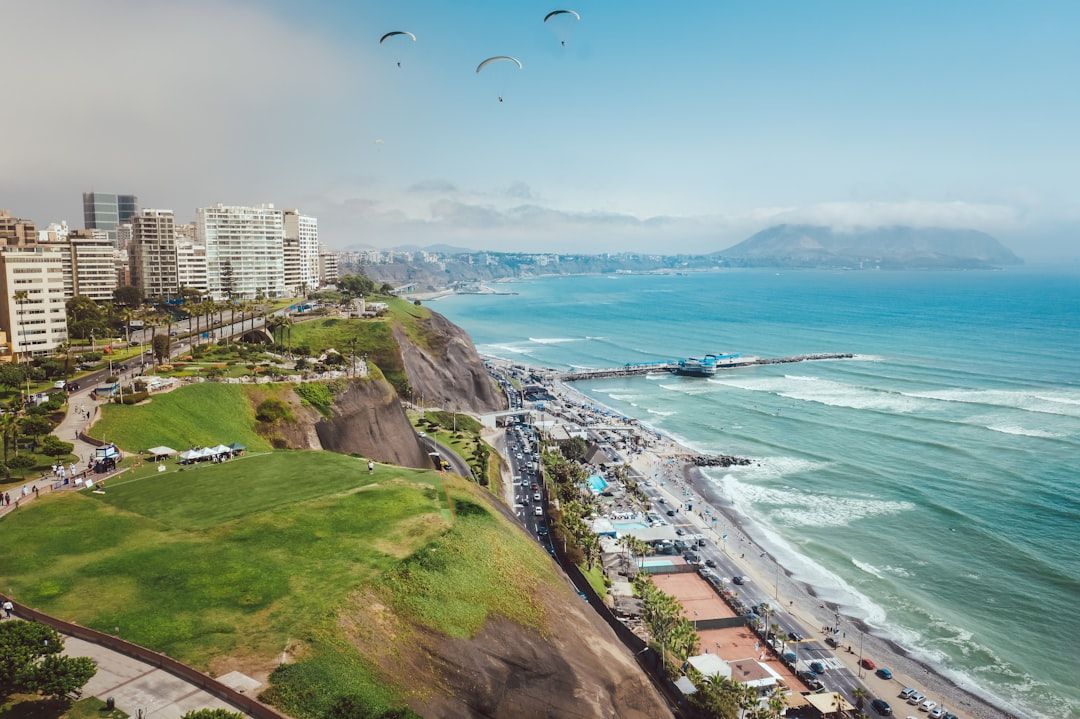
I flew Lima to Cusco, landed at 11am, dropped my bag and went out to walk around the city. By 4pm I had a headache like a vice and by evening I could not keep water down. I lost two days of a fourteen-day trip to something entirely predictable.
What altitude actually feels like
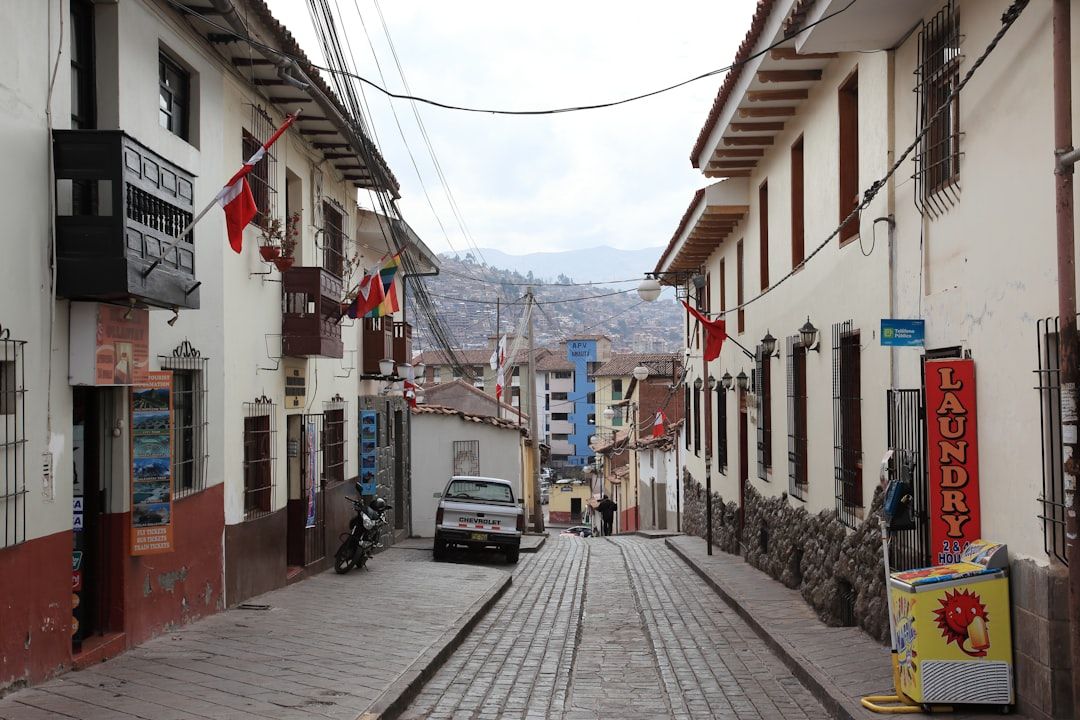
Cusco is at roughly 3,400 metres. Lima is at sea level. The flight is an hour and a quarter.
I was 34, reasonably fit, and had assumed altitude sickness was something that happened to people climbing mountains. It is not related to fitness. Some people are fine; some are not; you do not know which you are until you are up there.
What I should have done, and what the guesthouse owner told me on day three when it was too late to matter:
Do nothing for the first 24 hours. Not a gentle walk. Nothing.
Or sleep lower first. The Sacred Valley — Urubamba, Ollantaytambo — sits around 2,800 metres. Many people now go straight there from the airport, spend two nights, and come up to Cusco after. That is the better plan and it costs nothing extra.
Coca tea helps a bit, hydration helps more, alcohol makes it worse, and a heavy meal on arrival is a bad idea.
The permits I nearly missed
I wanted to walk the Inca Trail. I started looking in February for a June trip and every permit was gone.
Permits are capped at 500 people a day including guides and porters, which means roughly 200 trekkers. Dry season dates sell out four to six months ahead.
I did the Salkantay trek instead — five days, higher, no permit needed, arranged in Cusco three days before departure for about $280. It was harder, emptier and, according to everyone I met who had done both, at least as good.
If the classic trail matters to you, book it before you book flights. If it does not, the alternatives are better value and available.
Machu Picchu logistics
Entry is by timed slot on a defined circuit, with a daily cap. I booked six weeks out and the morning slots for the circuit I wanted were gone; I went in the afternoon, which was fine and less crowded.
Tickets are linked to your passport number — bring the same document.
Getting there: the train from Ollantaytambo to Aguas Calientes, then a bus or a very steep 90-minute walk up. The train is expensive by Peruvian standards ($60–120 each way) and is the only practical route.
The rest of the trip
Two weeks, and Cusco and Machu Picchu were maybe five days of it. What I would keep:
The Sacred Valley — Ollantaytambo, Pisac and Maras. Less crowded than Cusco, lower altitude, and the ruins are excellent.
Arequipa — white volcanic stone architecture, a monastery you can spend three hours in, and the Colca Canyon nearby.
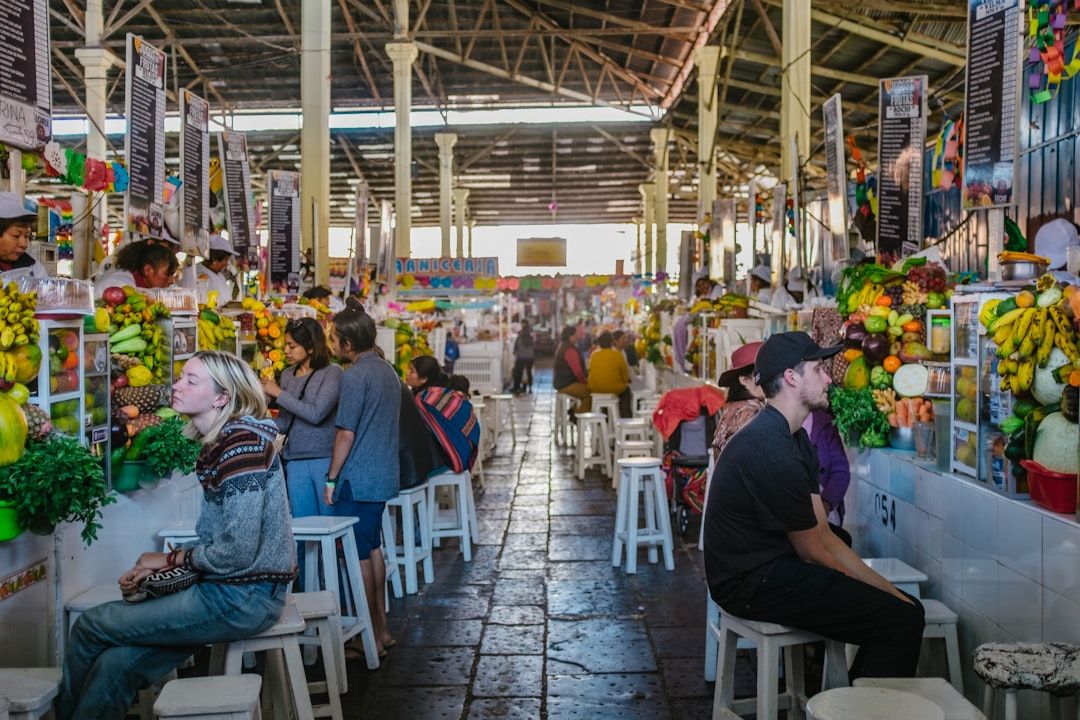
Lima's food, which I had dismissed as an airport city and which turned out to be one of the best eating cities anywhere. Ceviche at a market for six dollars.
Costs
| Item | Cost |
|---|---|
| Salkantay trek, 5 days | $280 |
| Machu Picchu entry | $50 |
| Train + bus to site | $160 |
| Hostels, 14 nights | $210 |
| Food and local transport | $280 |
| Domestic flights | $180 |
Daily living in Peru is genuinely cheap — a set lunch, the menú, is three to five dollars and comes with soup and a main. It is the fixed tourism costs that dominate.
The one thing
If I could send one message back: land in Cusco and go straight to the Sacred Valley. Everything else I got wrong was recoverable. Those two days were not.
Frequently asked questions
How do you avoid altitude sickness in Cusco?
Arrive and do nothing for at least 24 hours. Cusco sits at about 3,400 metres and flying in from Lima at sea level gives your body no adjustment time. Drink water, avoid alcohol, eat lightly and postpone anything strenuous. Many travellers spend their first nights lower in the Sacred Valley at around 2,800 metres instead, which is meaningfully easier.
How far ahead do Inca Trail permits sell out?
Permits are capped at 500 people a day including guides and porters, and they routinely sell out four to six months ahead for the dry season. If the classic Inca Trail is essential to your trip, the permit date sets your itinerary. Alternative treks such as Salkantay and Lares need no permit and can be arranged days ahead.
Do you need to book Machu Picchu in advance?
Yes. Entry uses timed slots on defined circuits with a daily visitor cap, and popular times sell out weeks ahead in high season. Huayna Picchu and Machu Picchu Mountain add-ons sell out faster still. Tickets are tied to your passport, so bring the document you booked with.
How much does two weeks in Peru cost?
Roughly $1,200 to $2,000 per person excluding international flights, with the Machu Picchu day and any trek being the largest single lines. Daily costs outside those are low — hostels at $10 to $20, a set lunch at $3 to $5 — so the fixed tourism costs dominate the budget rather than daily living.
Departures Diary Editorial
Travel stories from 40+ countries
Travel writers documenting slow journeys and dispatches from the road with first-person narratives.