Italy: The Fines That Arrived Four Months After I Got Home
I drove Tuscany for a week in June, had a lovely time, and in October received three envelopes. Two were fines from Siena and one from Lucca, and each had a €40 administration charge from the rental company attached.
What I did wrong
I followed the satnav.
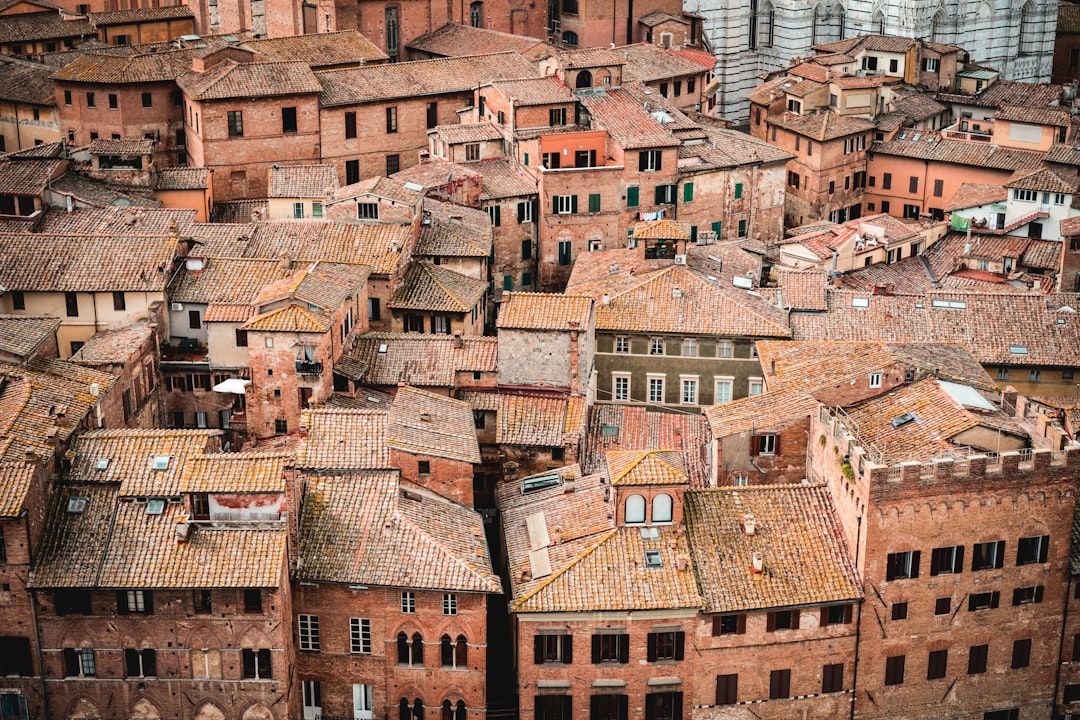
That is genuinely the whole explanation. Italian historic centres are almost all Zona a Traffico Limitato — camera-enforced restricted zones — and navigation apps route through them because they are ordinary roads. The restriction is a time-based rule, not a barrier.
I drove into Siena's centre looking for my hotel, realised the streets were getting narrow, turned around, and drove out. That was two entries and two fines.
How the fines actually arrive
The camera records the plate. The municipality traces it to the rental company. The rental company identifies me from the contract, charges me an administration fee for doing so, and forwards my details.
The whole process took four months. By October I had genuinely forgotten which day I had been in Lucca.
| Item | Cost |
|---|---|
| Siena ZTL fine × 2 | €188 |
| Lucca ZTL fine | €94 |
| Rental admin fee × 3 | €120 |
| Total | €402 |
That is more than the car hire cost.
What I should have done
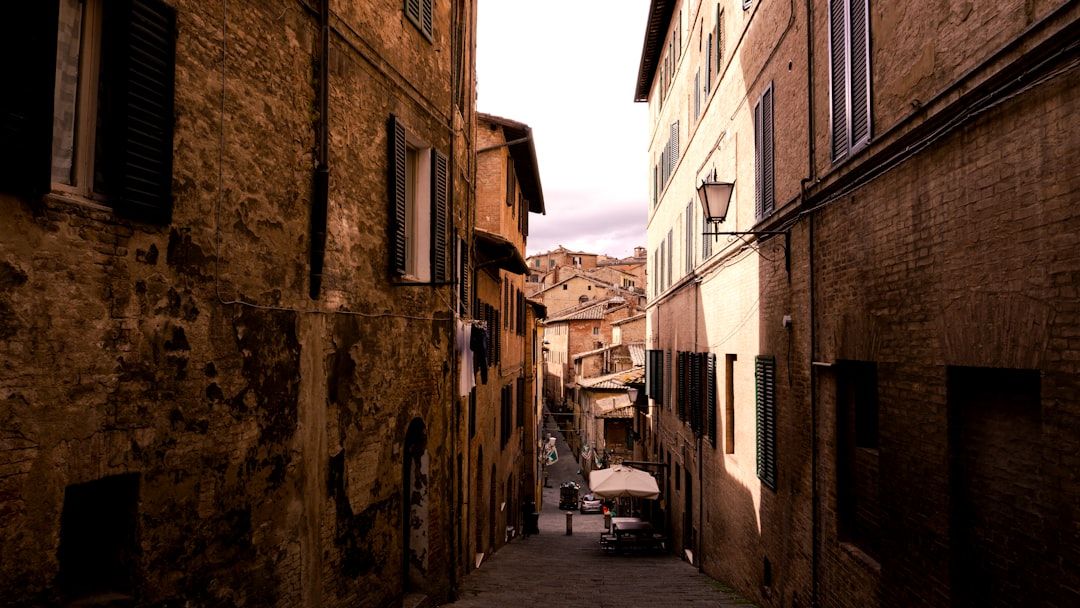
Park outside the walls. Every Italian hill town has blue "P" signs on the ring road leading to car parks outside the historic centre. The towns are small — the walk in is five to ten minutes. This single habit would have avoided everything.
Look for the sign. A round white sign with a red border reading Zona Traffico Limitato, usually with active hours listed beneath. Once you know what it looks like it is unmissable. I had driven past several without registering them.
Give the hotel my plate. Hotels inside a ZTL can register your vehicle for temporary access, but you must give them the number in advance and confirm they have actually done it. Mine could have. I did not ask.
The rest of the driving was fine
To be fair to Italy, everything else about the trip worked.
The autostrada is straightforward — take a ticket, pay on exit, €7–9 per 100 km. Use the lanes with a card symbol and avoid the yellow Telepass lanes, which are for subscribers and will strand you.
The roads worth driving genuinely are: the SR2 through Val d'Orcia, the Chiantigiana between Florence and Siena, and the approach to Orvieto. That is what the car is for, and none of it involves entering a town centre.
A small car matters. I had a mid-size estate and spent the week doing three-point turns. A Panda would have been better in every way.
The things I did get right
I photographed the car at pickup from all four corners. There was a dispute about a scratch at return and the timestamps ended it in about ninety seconds.
I booked an automatic explicitly. Manual is the default in Italy and automatics are limited — friends who assumed otherwise have ended up with a car they could not drive.
And I brought an International Driving Permit, which Italy legally requires for non-EU licences. Nobody at the desk asked. I am told the police do.
Would I drive Italy again
Yes, for the countryside, and I would take the train between the cities. Trains between Florence, Rome and Bologna are fast, cheap and end in the middle of town, and the car exists purely for the bit in between.
Collect it from a station depot on the way out of a city, not at an airport on arrival. That way you never navigate out through a cordon on day one, jet-lagged, following a satnav that does not know what a ZTL is.