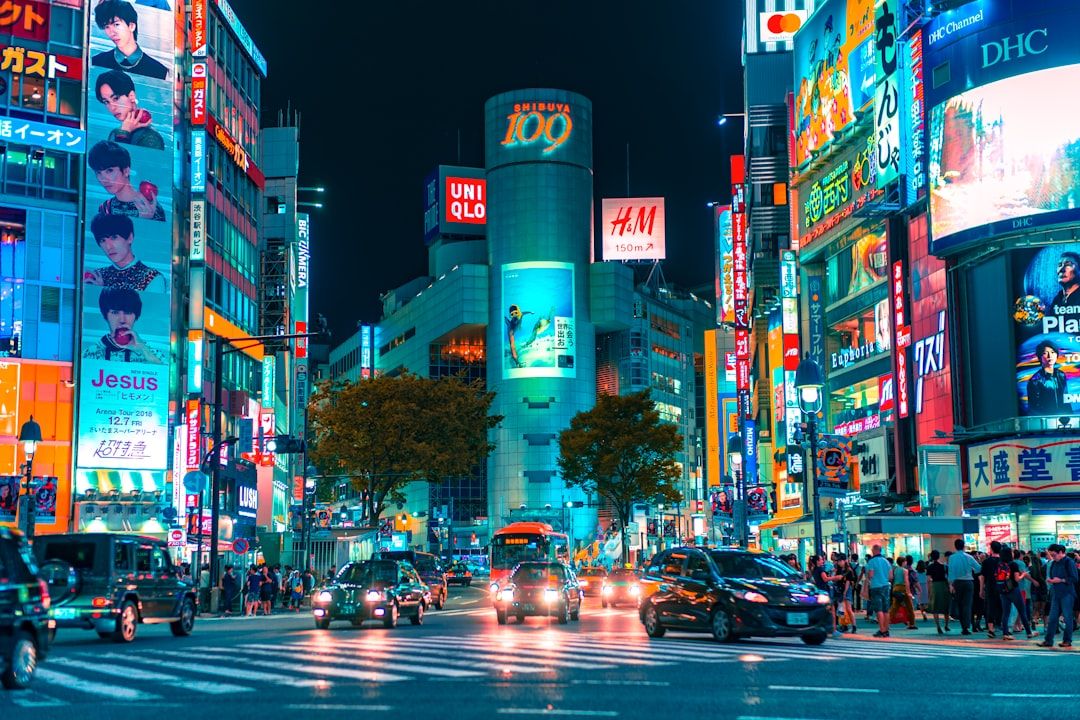
Japan in Autumn: Chasing the Leaves and Getting the Timing Wrong
I booked two weeks in Japan for early November specifically to see the autumn colour in Kyoto, having read that November was autumn. I arrived in Kyoto on the 6th. The maples were green.
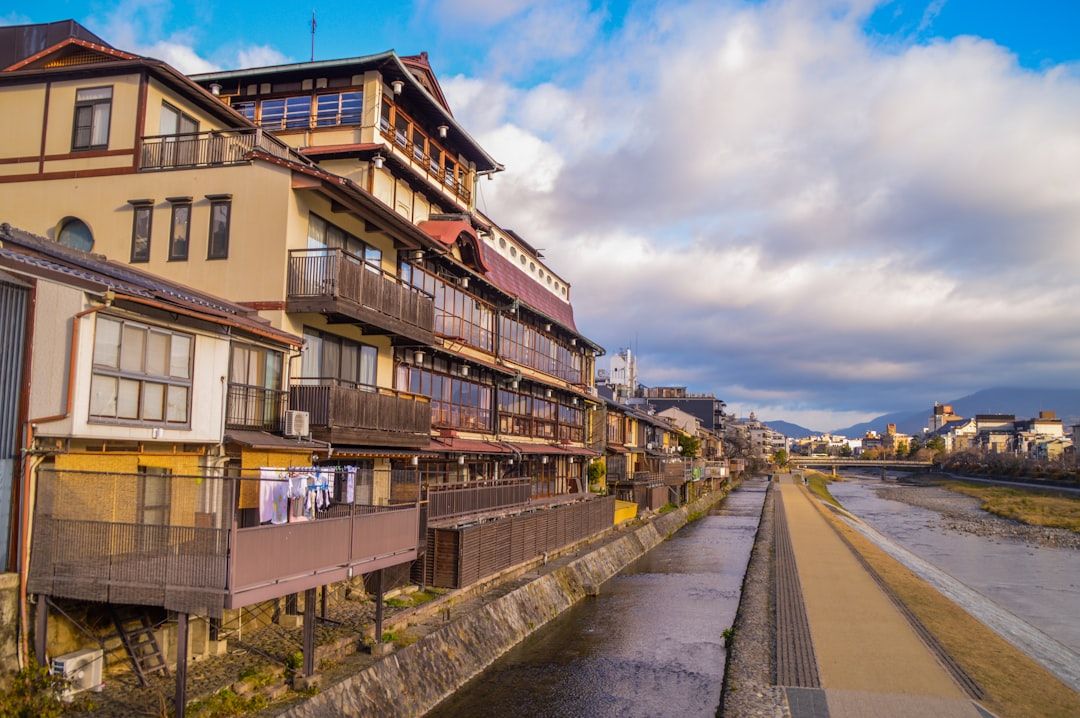
How the koyo front works
Japan tracks autumn colour the way it tracks cherry blossom: as a front that moves across the country, published in forecasts that update weekly.
The difference is direction. Blossom moves south to north in spring. Autumn colour — koyo — moves north to south, and also high to low.
| Place | Typical peak |
|---|---|
| Hokkaido (Daisetsuzan) | Late Sep – early Oct |
| Japanese Alps, Nikko highlands | Mid – late Oct |
| Tokyo area lowlands | Mid – late Nov |
| Kyoto | Last third of Nov |
| Kyushu | Late Nov – early Dec |
Kyoto peaks roughly two to three weeks later than I had assumed. I was ten days early.
What I did instead
The fix was to go up and north, because elevation does what the calendar had not.
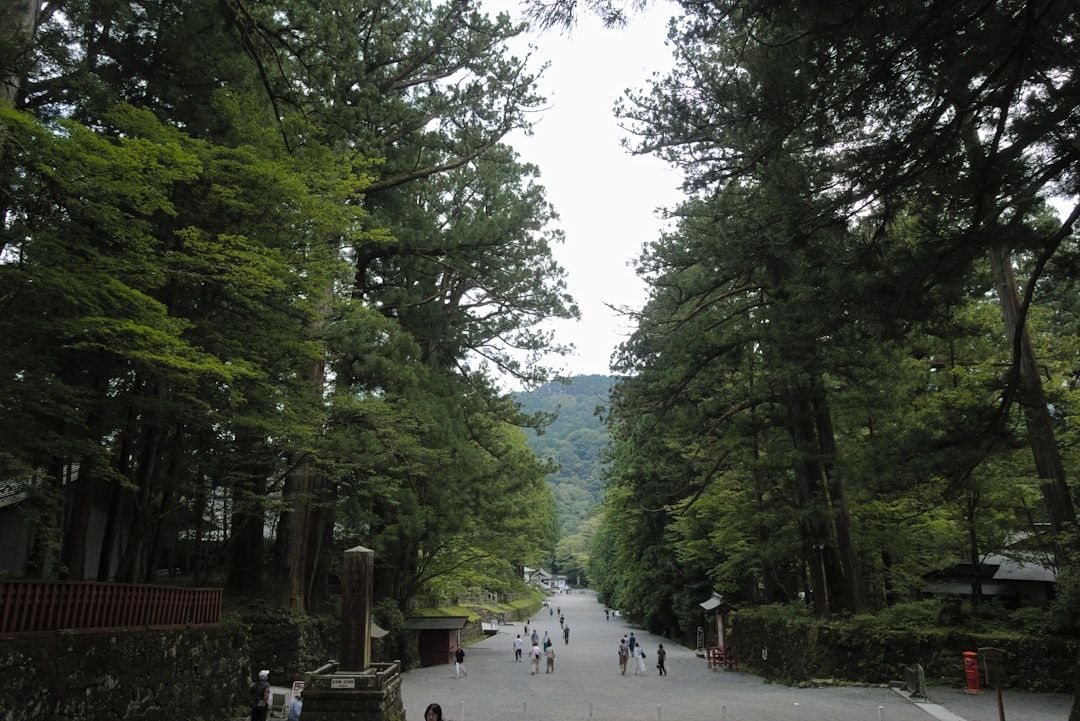
Nikko, two hours north of Tokyo. The area around Lake Chūzenji and the Irohazaka switchback road sits at around 1,200 metres and was at full colour while Kyoto was green. It was the best day of the trip and I only went because my original plan had failed.
Kamikōchi in the Japanese Alps — a valley closed to private cars, with the Azusa river and the Hotaka range above it. Also at colour, also nearly empty midweek.
Mount Takao, an hour from Shinjuku on the train, which is where Tokyo goes for a half-day walk.
The general principle I would use next time: the front is a week or two behind at high elevation, and the crowds are a week or two behind the front. Going high and early gives you the colour without the volume.
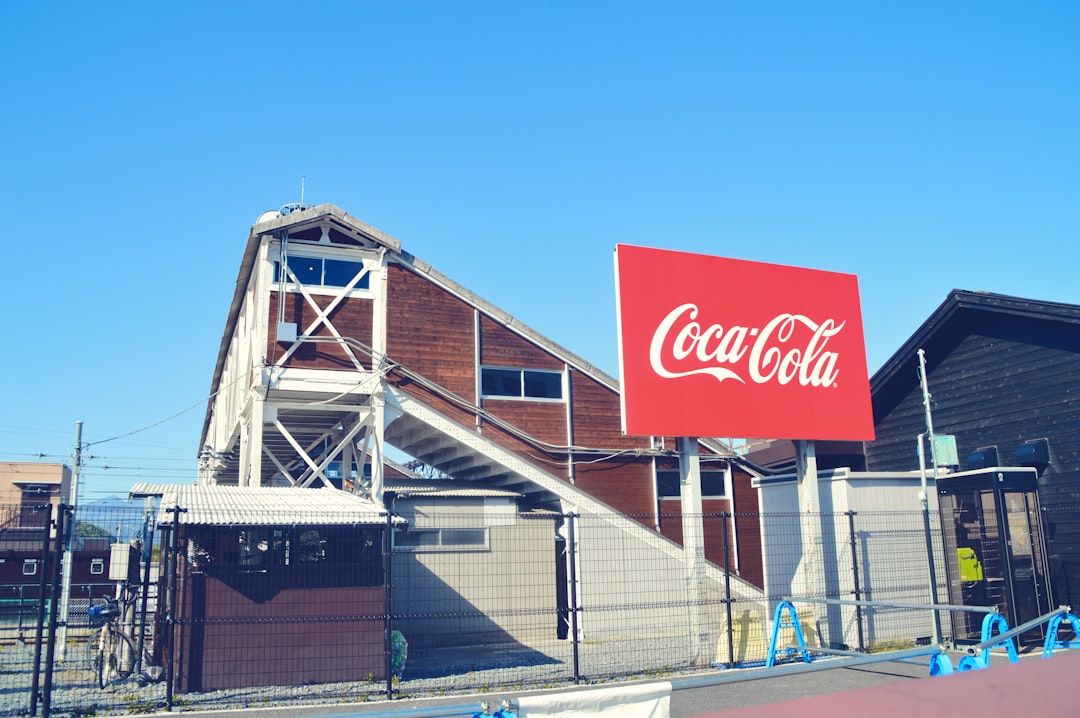
Kyoto, seen wrong
I still had four days in Kyoto and the temples were beautiful without the maples. Two things helped:
Opening time changes everything. Fushimi Inari at 7am is a quiet mountain path; at 11am it is a queue. Kiyomizu-dera, Arashiyama's bamboo grove, the same pattern.
Go one temple over. For every famous site there is an equivalent nearby with a tenth of the visitors. Instead of Kinkaku-ji, Ryōan-ji. Instead of Arashiyama's main path, the Sagano scenic railway or the walk up to Ōkōchi Sansō.
Practical autumn notes
It is colder than you expect at elevation. Nikko in late October was near freezing in the morning. I packed for Kyoto's mild November and was cold for the good parts of the trip.
Peak autumn in Kyoto is genuinely busy — approaching cherry blossom levels at the famous temples, with accommodation priced accordingly. If you time it right, book early.
Illuminations — evening light-ups at Kyoto temples during peak colour — are worth doing once and are extremely crowded.
Would I go in autumn again
Yes, and I would build the route around the front rather than the cities. Start in the Alps or Nikko in late October, work south, and reach Kyoto in the last week of November.
Or do what I accidentally did: go high, see the colour two weeks before everyone else, and treat Kyoto as a city rather than a photograph.