Two Weeks in Japan: What I Got Wrong Before I Left
I planned this trip for four months and still got three things wrong before boarding. None of them ruined anything, but all three were avoidable and all three cost money.
Mistake one: the rail pass
I bought the 7-day JR Pass because every article I read in 2019 said to. It cost around ¥50,000.
My actual travel was Tokyo to Kyoto, Kyoto to Osaka, Osaka back to Tokyo. That is roughly ¥32,000 in individual tickets. I paid ¥18,000 for the privilege of not buying them.
The pass was excellent value before the 2023 price rise and is now much more marginal. If your trip is two or three cities, add up the individual fares first. The regional passes — JR Kansai, JR East — cover a smaller area for a fraction of the price and fit most itineraries better.
Mistake two: packing for the wrong Japan
I went in early November and packed for autumn. Kyoto in November is genuinely cold in the mornings — single digits — and I spent the first three days buying a fleece I already owned at home.
Japan is long. Hokkaido and Okinawa are different climates in the same week. Whatever month you are going, check the specific cities rather than the country.
The other packing thing: I brought too many shoes and not enough socks. You take shoes off constantly — temples, some restaurants, any traditional accommodation — and holes get noticed.
Mistake three: too much planned
I had days one to five scheduled hour by hour. By day three in Tokyo I was exhausted, and I was exhausted because I was crossing the city four times a day.
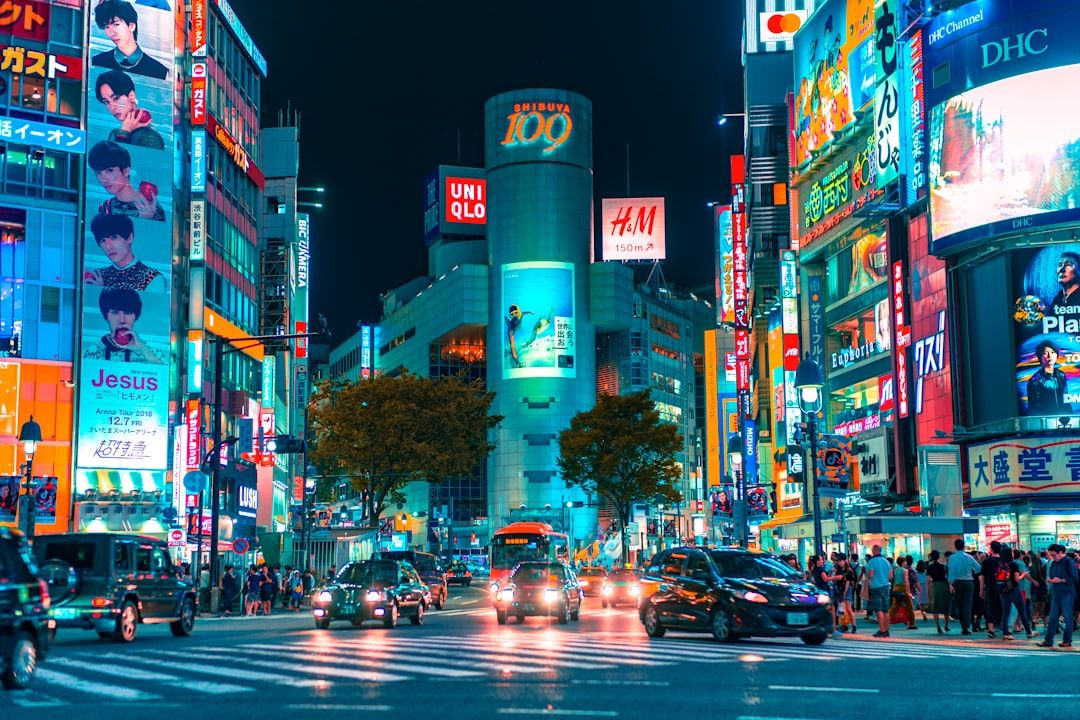
Tokyo is not a city with a centre. Shibuya to Asakusa is forty minutes on the train, and each district is dense enough to fill a day. My schedule had me doing three districts a day, which meant two hours of trains and three shallow visits.
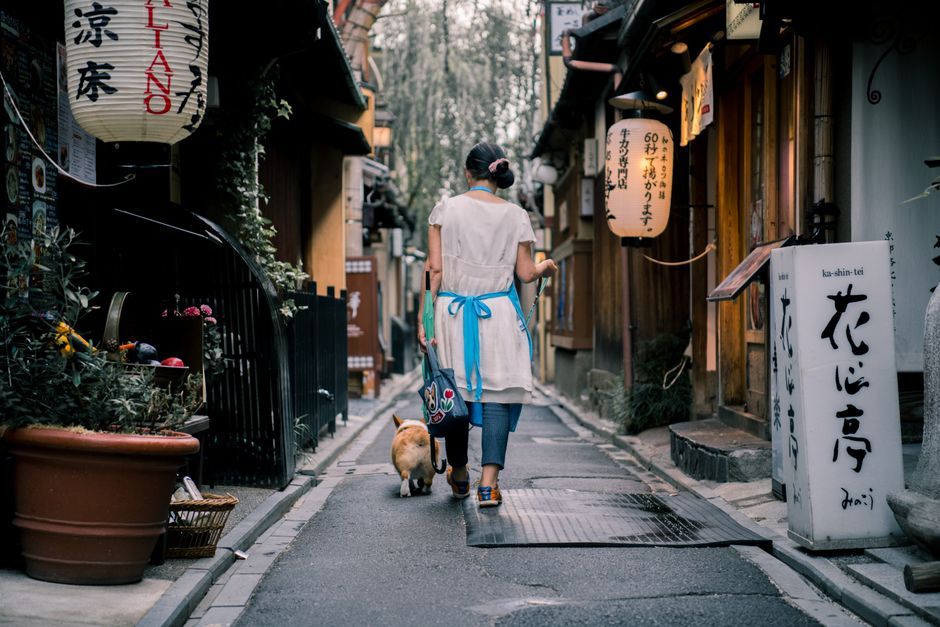
Day six I abandoned the plan and spent the whole day in Yanaka — a low-rise old neighbourhood in the northeast with a cemetery, small shops and a shopping street. I did nothing on any list. It was the best day of the trip.
What actually worked
The Suica card. Tap for every train, every convenience store, most vending machines. Get one at the airport and stop thinking about tickets.
Konbini food. I had assumed convenience store meals were a compromise. Onigiri at ¥150, proper bento at ¥600, and the quality is not comparable to Western equivalents. Roughly a third of my meals were 7-Eleven and none were bad.
Eating the main meal at lunch. Set lunches — teishoku — are ¥900–1,200 for a full cooked meal at restaurants that charge double for similar food at dinner.
Booking one nice ryokan for two nights. Expensive, and the single most memorable accommodation I have stayed in anywhere.
The cash thing is real
I landed assuming Japan would be card-first because it is a rich, technologically advanced country. It is substantially cash-based outside chains and large stores.
Small restaurants, shrine entries, older shops and many ticket machines take cash only. 7-Eleven ATMs accept foreign cards reliably; many bank ATMs do not. Withdraw ¥30,000–50,000 at a time to avoid repeated fees.
What I would do differently
| Did | Would do |
|---|---|
| 7-day JR Pass | Individual tickets or a regional pass |
| 5 cities in 14 days | 3 cities, longer in each |
| Hour-by-hour plans | One anchor per day |
| Tokyo hotel in Shinjuku | Somewhere residential |
The trip was still excellent. But the version of it I keep thinking about is the unplanned day, which is a fairly clear signal about how to plan the next one.