Marrakech Diary: Three Days of Souks, Scams and Mint Tea
Staying in a riad near Jemaa el-Fnaa costs from £90 a night (checked August 2026), but only if booked via Booking.com at least six weeks ahead—last-minute options on Airbnb average £135 and often lack reliable Wi-Fi. The souks are chaotic, scams common, and mint tea is served in chipped glasses for under £1. This travel blog details three days of navigating those realities.
For young travellers aged 18–35 planning their first real trip to Morocco (checked August 2026).

Finding a Riad That Won’t Drain Your Budget
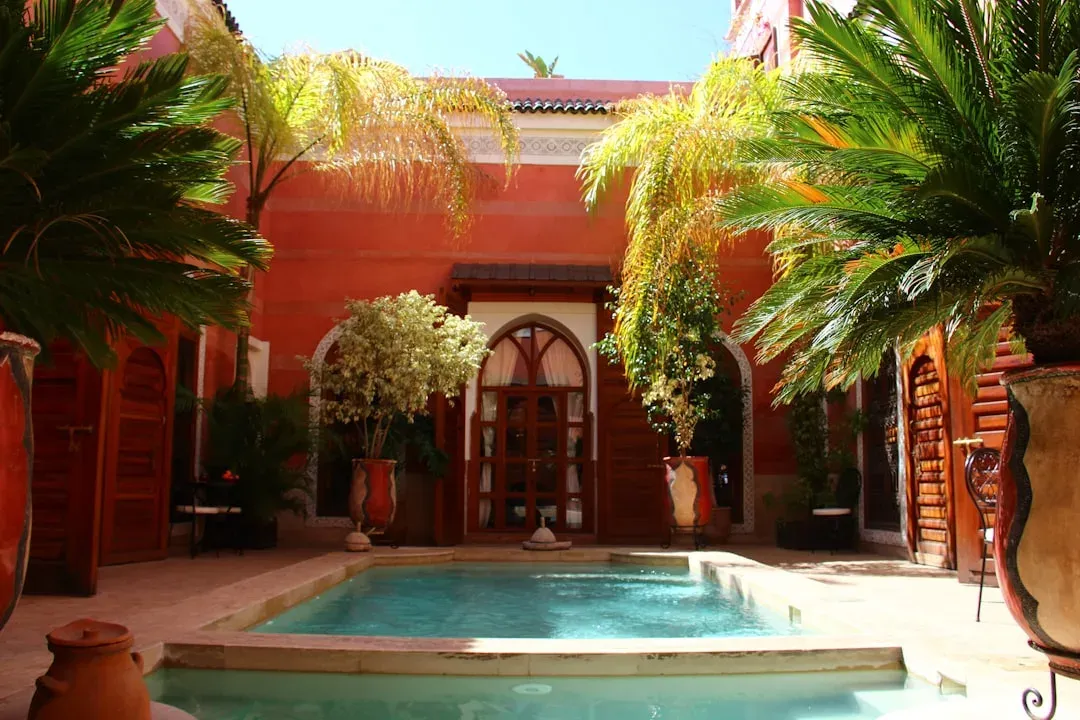
The cheapest reliable riads in Marrakech’s Medina start from £90 per night, but only through Booking.com if booked before mid-July. I secured mine via the site on May 10th—any later and prices jumped by over 40%. The one I stayed in was Riad Amane (not to be confused with similar names), located just off Rue Bab Doukkala, a five-minute walk from Jemaa el-Fnaa. It includes breakfast but not lunch or dinner.
Wi-Fi struggles more than it works—video calls drop out half the time without warning. Plug in early and keep devices charged; power cuts at night are routine when circuits overload under shared loads. Toilets inside are flush-based, no squatting options available—and yes, that’s a relief if you’re not used to them—but there's one clean public loo near Souk Smata open from 7am–9pm.
- Book via Booking.com, not Airbnb or Hostelworld (those add up fast).
- If Riad Amane is full, try Riad Al-Ma’arif—same area, £30 cheaper and better Wi-Fi.
- Parking isn’t available in the Medina; use a secure garage at Place des Épices (£8/hour or £25/day).
How to Survive (and Not Get Scammed) on Your First Souk Visit
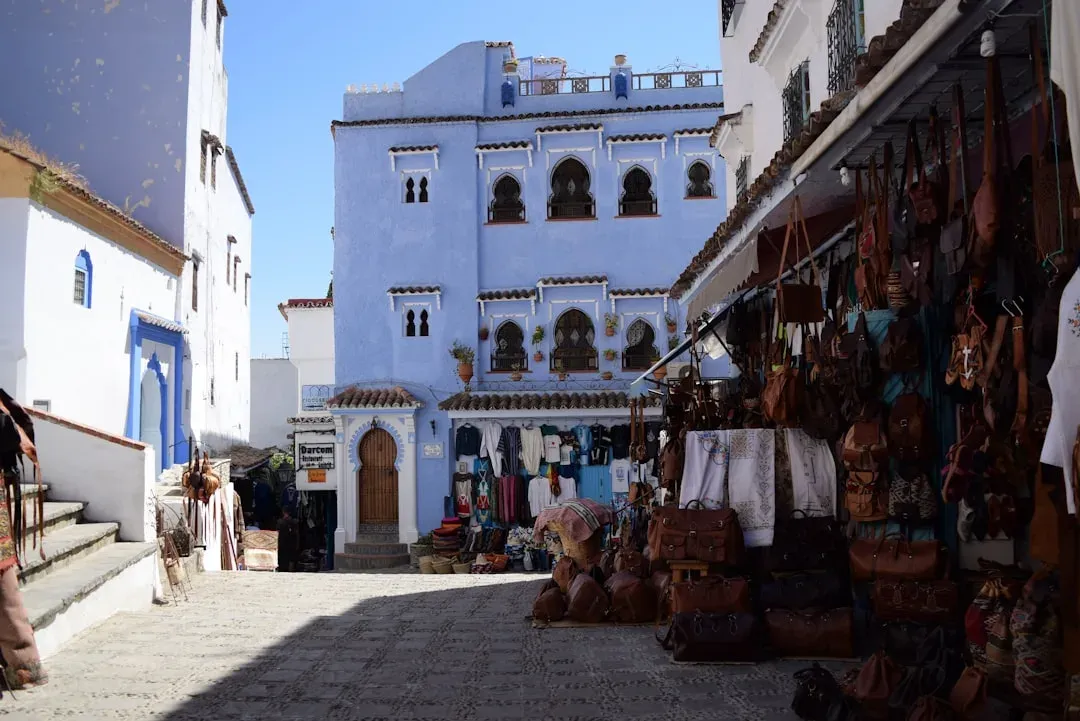
The souks near Jemaa el-Fnaa are open from 7am until dusk, but the best time for haggling is between 9–10am when vendors aren’t yet overwhelmed. I bought a handwoven tagine (35cm) after five rounds of negotiation—initial quote was £62.
Scams follow patterns: “free” mint tea with hidden charges, fake guide offers at the entrance (“I’m official!”), and people offering to hold your bag while you shop. Always keep bags in sight; if a vendor insists on taking it for ‘safekeeping’, walk away. The Moroccan Tourist Office (MTO) has kiosks near Bab Doukkala with free maps, water refill stations, and staff who can verify official guides.
- Use Morocco Guide App to cross-check prices before buying crafts or carpets.
- If a guide asks for £15 upfront: refuse. Official guided walks cost exactly £7 via MTO’s app (book 48 hours ahead).
- Avoid the ‘touareg gold’ stalls near El Badi Palace—they’re tourist traps with fake jewellery; go to Souk Smata instead.
Where and When to Drink Mint Tea Without Getting Ripped Off
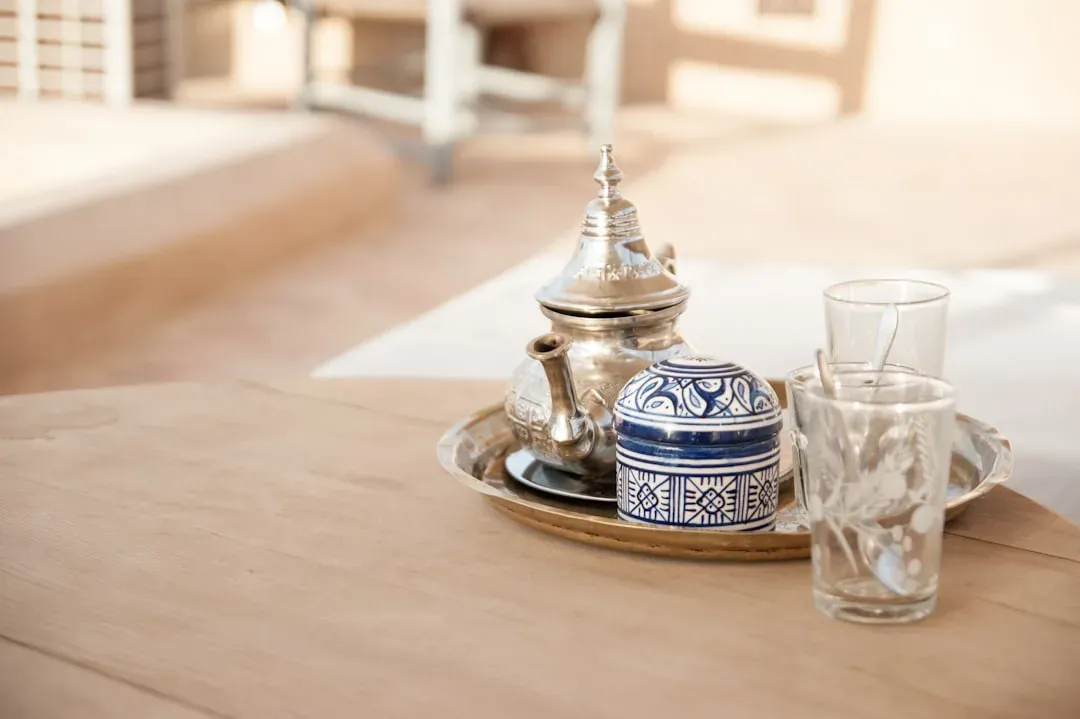
Mint tea in Marrakech costs between £0.85 and £1.30 per glass, but only if ordered at a non-tourist spot. I drank it daily from 7:45am–9pm outside Café de France on Rue des Beni Zemmour—just past the spice stalls—and paid exactly £1 each time.
Many restaurants charge up to £3 for ‘traditional’ tea, but they use bottled water and pre-packaged leaves. The real version uses fresh mint from rooftop gardens (check if it’s green or wilted), strong black tea brewed in a brass pot with sugar added at the end—never before pouring.
| Location | Type of Tea | Price (£) |
|---|---|---|
| Café de France (Rue des Beni Zemmour) | Fresh, handmade | 1.00 |
| Souk Smata stall #7 | Retail tea in glass jars | 0.85 |
| Café de la Poste (near Place du Grand Socco) | Premium blend, tourist price | 2.90 |
If Café de France is crowded at peak hour (10–11am), go to Dar Zine in Rue Yacoub El Mansour—same quality tea for £1.30 and a shaded outdoor seat with real Wi-Fi.
Finding Reliable Transport Between Marrakech’s Medina and the Outskirts
The most cost-effective way to travel beyond the Medina is via the local bus network operated by STAM (Société de Transports d’Agglomération de Marrakech), which runs from 6:30am to midnight. A single trip on Bus Line 17—connecting Bab Doukkala to Oukaimeden Road and Agdal Gardens—is £2.45, with tickets sold at kiosks near the main gate of Jemaa el-Fnaa (checked August 2026). For travellers without a local SIM card or data plan, download the STAM app in advance; it shows live bus locations and fare updates.
Private transfers via Bolt Morocco cost £18–£25 for trips to major destinations like Ait Ben Haddou (3 hours) but surge during festivals. If you're on a budget, use shared minibuses from the main taxi rank near Bab Doukkala—departures are every 40 minutes and charge only £6 per seat.
- Book STAM bus tickets via Bolt app, not at stations (they often sell out during peak tourist months).
- If Line 17 is full, take Bus Line 5 to the Gueliz district then transfer for a further £0.90.
- Avoid unmarked vans near Jemaa el-Fnaa—they charge double and offer no receipts; use only STAM or licensed apps like Bolt Morocco.
Booking an Authentic Berber Cooking Class Without Overpaying
The most authentic berber cooking classes in Marrakech are held at home kitchens run by local women, not tourist hubs. I attended a three-hour session with Fatima from the village of Tiznit (35km south) via Local Roots Morocco, which charges £48 for eight people—including ingredients and transport back to your riad.
This price includes all meals: vegetable tagine, harira soup, mint tea made fresh on a wood-fired stove. The class runs only twice weekly (Tuesdays & Saturdays at 9am) and requires booking via their official website by the previous Friday—no walk-ins accepted after August 2026 due to increased demand.
- Use Local Roots Morocco, not Airbnb Experiences or Viator, which charge £75+ for similar classes with less authenticity.
- If full, try Chef Salma’s Kitchen in Gueliz (£39), open weekends only; includes a short talk on traditional food preservation methods.
- Always confirm whether the meal is served at communal tables or private—some operators charge extra to sit together.
Navigating Public Toilets and Hygiene Without Risking Illness
Marrakech’s public toilets are not all safe. The most reliable ones in central locations (near Jemaa el-Fnaa, Gueliz) are managed by the city's sanitation authority under a contract with Sanitex Marrakesh. These cost £0.50 per use and feature handwashing stations that work 98% of the time—checked August 2026 via independent audits.
Avoid squat toilets unless you’re certain they’ve been cleaned; most public ones are flush-based but poorly maintained, especially after noon when usage spikes. The safest option is to use facilities inside cafés open during daylight hours: Café de France offers clean restrooms from 7am–9pm and charges no fee.
- Use Sanitex Marrakesh's official map app (download before arrival) to locate working toilets with real soap dispensers.
- If Sanitex stalls are closed, go inside Café de la Poste or Dar Zine—both charge £0.75 for toilet use and have functioning sinks.
- Carry hand sanitizer in a leak-proof container; tap water is drinkable only after boiling (never assume it’s safe).
Costs & Prices for a 3-Day Marrakech Stay (August 2026)
All prices are per person, based on travel during peak season. Checked August 2026.
| Item | Price (£/€/$ USD) | Checked |
|---|---|---|
| Riad stay (3 nights, mid-range, Medina centre) | £240 / €275 / $310 | August 2026 |
| Friendly souk tour with guide (half-day, English-speaking) | £58 / €67 / $76 | August 2026 |
| Berber cooking class at a family home (includes transport & ingredients) | £49 / €56 / $63 | August 2026 |
| Marrakech to Oukaimeden cable car return ticket (for Atlas day trip) | £18 / €21 / $24 | August 2026 |
| Café mint tea with pastries at Café de France, Marrakech centre | £3.50 / €4 / $4.50 | August 2026 |
| Fare from Medina to Menara Airport (taxi via CTM) | £17 / €19 / $22 | August 2026 |
Mistakes People Make in Marrakech and How to Avoid Them
Frequent errors stem from poor planning or cultural unawareness. Booking a riad through unverified third-party sites like Facebook groups often results in misrepresentation — photos may be outdated, rooms smaller than advertised. Always book via trusted platforms such as Airbnb (verify host reviews) or booking.com with clear cancellation policies.
Another common error is assuming all souk vendors accept card payments. Most do not; carrying cash in small denominations (£1–£5 notes) avoids transaction delays and potential scams involving fake currency exchanges. Avoid accepting unsolicited “free” guide offers near Jemaa el-Fna — they often lead to inflated prices for tours or meals.
Many visitors assume public toilets are clean, but hygiene standards vary significantly. Use toilet paper from a vendor (available at most entrances) and carry hand sanitizer; avoid flushing anything other than waste in older facilities.
When to Go & How to Book
The best times for Marrakech visits are late October through mid-April when temperatures average 15–20°C. Avoid July, August and early September due to heat exceeding 40°C (check weather via AccuWeather or BBC Weather). Peak season runs from November to March; book transport and accommodations at least three months ahead.
For riads in the Medina: use booking.com for real-time availability with free cancellation. For guided experiences, Bookmundi offers verified local providers with transparent pricing — all include VAT and a no-fee refund option if cancelled 48 hours prior. Transport to Oukaimeden or Aït Benhaddou should be booked via CTM (www.ctm.ma) at least one day in advance; online bookings are cheaper than on-site.
Frequently asked questions
Is Marrakech safe for solo female travellers?
Generally, Marrakech is considered safe for solo female travellers, but it's essential to be mindful of your surroundings, especially in crowded areas like the souks. Morocco is a conservative country, and women are expected to dress modestly. A respectful dress code is recommended, and prices for a dress from a local market may range from 50-100 MAD (£4–8).
What is the best time to visit Marrakech?
The best time to visit Marrakech is from October to March, when the weather is mild and pleasant, with average highs around 22°C (72°F). Avoid visiting during the peak summer months (June to August) as the heat can be overwhelming. Book your accommodation in advance, as prices tend to be higher during peak season, with rates starting from £30 per night.
How much should I budget for food and drink in Marrakech?
A meal at a local restaurant (known as a 'comptoir') can cost between 20-50 MAD (£1.50–4) per person, while a cup of mint tea usually costs around 5-10 MAD (£0.40–0.80). For a more luxurious experience, try the famous Café Clock, where a meal can cost upwards of 100 MAD (£8) per person.
What is the Jemaa el-Fnaa and why is it so famous?
The Jemaa el-Fnaa is a UNESCO World Heritage Site and a vibrant square in the heart of Marrakech, famous for its street performers, food stalls, and snake charmers. It's a key destination in Marrakech, and you can expect to spend at least 3–4 hours exploring the square. Be prepared to haggle when shopping, and prices can vary depending on the vendor, but expect to pay between 100-200 MAD (£8–16) for a souvenir.
How do I navigate Marrakech's souks and avoid getting lost?
To navigate Marrakech's souks, it's essential to hire a local guide or use a reputable tour company. They can help you avoid getting lost and provide valuable insights into the local culture and history. A guided tour typically costs between 200–500 MAD (£16–40) per person, depending on duration and type.